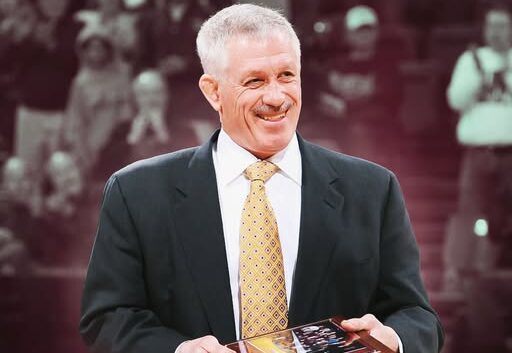

The wrestling world is mourning the reported passing of one of its most influential and respected figures, J. Robinson, who is said to have died on March 29, 2026.
Known for his remarkable journey as both an elite athlete and championship-winning coach, Robinson’s legacy spans decades of dedication to the sport of wrestling at the highest levels.
J. Robinson first rose to prominence as a competitor for Oklahoma State University, one of the most storied wrestling programs in the United States.
During his time as a student-athlete, he established himself as a determined and disciplined wrestler, ultimately earning a place as a 1972 Olympic Greco-Roman team qualifier. His early achievements laid the foundation for what would become a long and impactful career in the sport.
Following his competitive years, Robinson transitioned into coaching, where he would leave an even greater mark. He served as an assistant coach at the University of Iowa under two of wrestling’s most iconic figures, Gary Kurdelmeier and Dan Gable, from 1972 to 1984.
During this era, Iowa wrestling rose to national dominance, and Robinson played a crucial role in developing athletes, refining training systems, and contributing to the program’s legendary success.
Robinson’s coaching philosophy emphasized discipline, mental toughness, and accountability—principles that would later define his tenure as a head coach. In 1986, he took over the University of Minnesota wrestling program, transforming it into a national powerhouse. Under his leadership, the Golden Gophers reached unprecedented heights, winning NCAA team championships in 2001, 2002, and 2007.
These victories were especially historic, as Minnesota became the first program outside of Iowa and Oklahoma to win multiple NCAA Division I wrestling team titles in men’s wrestling.
This achievement solidified Robinson’s reputation as one of the sport’s most effective program builders and strategic minds. His ability to recruit, mentor, and develop elite-level wrestlers helped reshape the competitive landscape of collegiate wrestling in the United States.
Beyond the championships and accolades, Robinson was widely respected for his demanding yet transformative coaching style. Many of his former athletes credit him with instilling lifelong discipline, resilience, and leadership skills that extended far beyond the wrestling mat. His influence reached not only champions but also countless student-athletes who carried his lessons into their personal and professional lives.