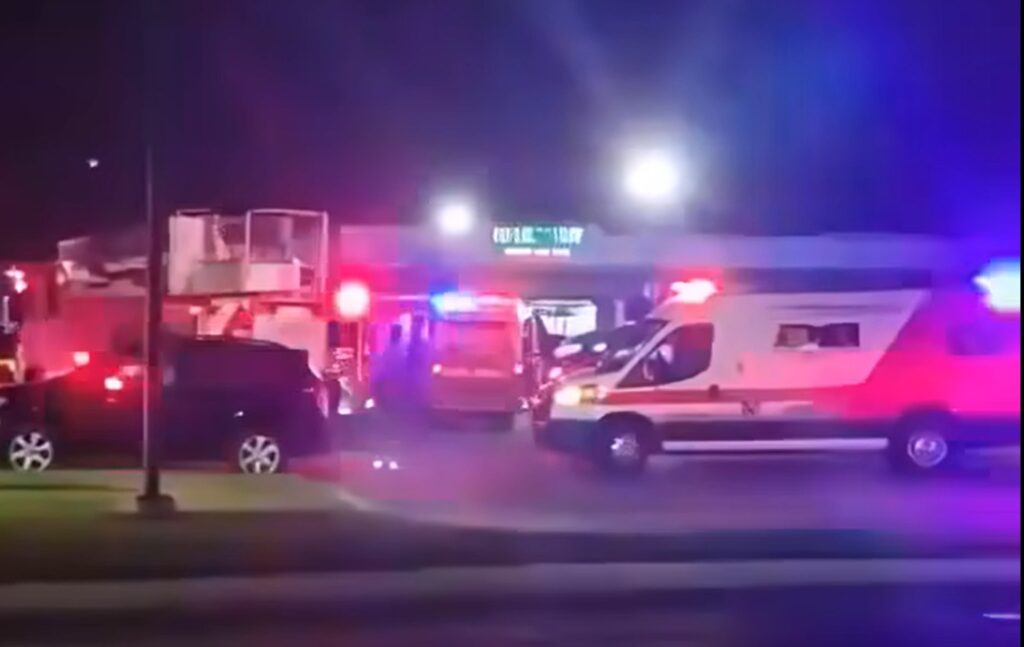

Officials have acknowledged that the ICE agent who fatally shot 37-year-old Renee Nicole Good on January 7 in Minneapolis suffered internal injuries as well, though full details remain limited.
Injuries Reported by DHS
Department of Homeland Security (DHS) spokespersons confirmed that the federal agent — identified in reporting as Jonathan Ross — suffered internal bleeding to his torso after the confrontation. This information was shared by DHS Assistant Secretary Tricia McLaughlin and cited in multiple news reports.
DHS also noted that the agent was treated at a hospital following the shooting and released the same day, indicating the injuries did not require a prolonged stay.
Officials have not clarified the extent or severity of the internal bleeding, nor has the agency provided a detailed medical assessment of his condition publicly.
Context Around the Incident
DHS initially described the encounter as self-defense, saying the agent fired when the vehicle posed a threat. The department’s claim included that the agent was “hit by the vehicle,” though video evidence and independent analyses have called aspects of that narrative into question.
Minneapolis city officials and some analysts have disputed whether the vehicle actually made contact in a way that would have caused serious injury.
Agent’s Background and Past Service
The agent involved is reported to be an experienced federal officer with a long service history, including prior injury in a separate incident during law enforcement operations.
Public Reaction and Ongoing Investigation
The report of the agent’s injuries has been a point of contention in public and political discourse, with critics questioning how the incident was handled and how injuries are being portrayed.
Investigations into the shooting are ongoing, with federal authorities leading the inquiry and scrutiny continuing over both the fatal shooting of Good and the circumstances surrounding any injuries to law enforcement personnel.