
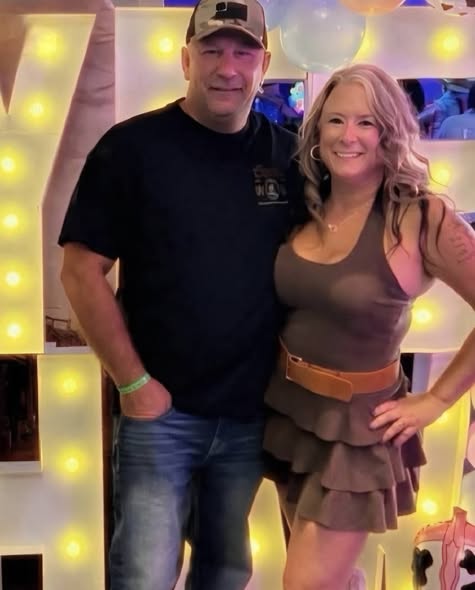

What began as a personal decision to feel more confident turned into a devastating loss that is now drawing widespread attention and concern.

Rachel Tussey, a 47-year-old mother of three from Cincinnati, Ohio, underwent a cosmetic procedure commonly referred to as a “mommy makeover,” a combination of surgeries aimed at restoring the body after childbirth. Family members say she approached the procedure with optimism, hoping to improve her appearance and self-confidence.

In the hours leading up to the surgery, Rachel appeared calm and reassured, even sharing parts of her journey publicly. According to her husband, the procedure itself initially seemed to go as planned. She reportedly regained consciousness and was communicating normally shortly afterward.

However, the situation quickly took a turn. After being administered post-operative pain medication, Rachel’s condition suddenly deteriorated. Loved ones say she became unresponsive, and medical staff rushed to intervene as her condition worsened.

Reports indicate that Rachel experienced a critical lack of oxygen for several minutes, resulting in severe brain injury. Despite efforts to stabilize her, the damage was irreversible. After several days, her family made the heartbreaking decision to withdraw life support.
Her death has sparked emotional reactions and broader discussions about the risks associated with elective cosmetic procedures, even those considered routine. While such surgeries are widely performed, medical experts acknowledge that complications—though rare—can occur, particularly involving anesthesia, medication reactions, or post-operative care.
Questions are now being raised about patient safety protocols, monitoring after surgery, and informed consent, as well as whether additional safeguards could help prevent similar tragedies.
Rachel is being remembered by loved ones as a devoted mother and family-centered woman, whose life was centered around her children. Her passing has left a profound void for those who knew her.
As her story spreads, it continues to prompt reflection on the balance between personal choice, medical risk, and the pressures surrounding appearance, while her family mourns a loss they say should have never happened.