
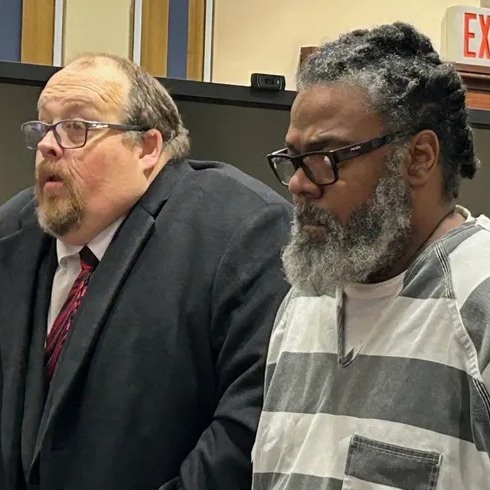

A Cincinnati man who was convicted of three murders in 2010 and once described by prosecutors as a “serial killer” has been released from prison following a plea deal on February 23, 2026. Angelo Howard pleaded guilty to reduced charges and was sentenced to time already served, ending a case marred by recanted testimony, withheld evidence, and overturned convictions.
Plea Deal and Sentencing
Howard entered guilty pleas on February 23, 2026, to:
Voluntary manslaughter in the October 2002 shooting death of Gino Booker.
Felonious assault in the December 2002 shooting of Tim Canady.
Hamilton County Common Pleas Judge Christopher McDowell sentenced him to 18 years—matching the time Howard has already spent incarcerated since his arrest and conviction—clearing the path for his immediate release late that day.
Background on the 2002 Crimes and Convictions
In 2002, a series of violent crimes in Cincinnati—including robberies, kidnappings, torture, and murders—were linked to Howard by police and prosecutors. He was charged in 2008 and convicted in 2010 of three murders tied to these events. Prosecutors portrayed him as responsible for a “reign of terror” during that period.
Case Unraveling Over Time
The convictions began to fall apart due to significant issues:
Informants recanted or changed their testimony.
Defense attorneys discovered that prosecutors failed to disclose exculpatory evidence for years (violating Brady requirements).
One conviction was reversed on appeal for insufficient evidence.
In another case, a different individual claimed sole responsibility, leading to further collapse.
A jury acquitted Howard on one related charge.
The judge and Hamilton County Prosecutor Connie Pillich acknowledged these evidentiary failures entitled Howard to a new trial. However, retrying the cases was deemed impractical because much of the physical evidence had been destroyed years earlier.
Specific Issues in Key Cases
Gino Booker Shooting (October 2002): Fingerprints from a sandwich bag box and a gun magazine matched other individuals—not Howard. A police note reportedly read “DON’T RELEASE JUST FILE” regarding the sandwich bag prints. In 2020, a detective resubmitted the gun magazine for testing, revealing a match to another man. Defense counsel claimed they were not informed of this until shortly before a 2024 hearing.
Tim Canady Shooting (December 2002): A co-defendant recanted his trial testimony, stating Howard was not present. Three years later, the co-defendant signed a sworn statement admitting he alone shot Canady.
These developments were part of a broader review of cases heavily reliant on informant testimony.
Reactions from Involved Parties
Relatives of victims Gino Booker and Tim Canady expressed deep frustration, feeling the plea deal denied full accountability and let others escape justice. Booker’s family told media outlets the justice system had “slapped them in the face.”
Howard declined to comment beyond entering his plea.
His attorney stated that Howard accepts responsibility for his role in the incidents and plans to rebuild his life.
This resolution stems from a combination of prosecutorial misconduct concerns, evidentiary problems, and the practical difficulties of retrying decades-old cases. Howard’s release highlights ongoing debates about reliance on informants and the handling of evidence in Hamilton County prosecutions.