
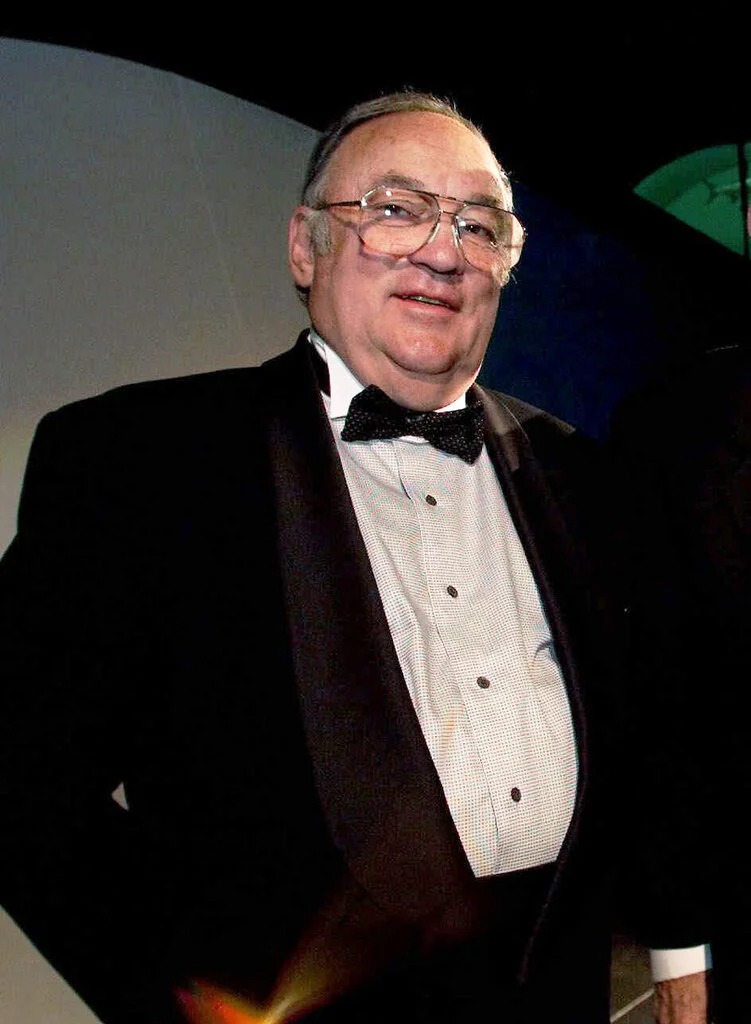

Thomas J. Fogarty, MD, the pioneering American surgeon and inventor whose breakthroughs fundamentally transformed vascular and minimally invasive surgery, died on December 28, 2025, at age 91 in Portola Valley, California.
Fogarty was best known for inventing the balloon embolectomy catheter — widely known as the Fogarty catheter — in the early 1960s while still a medical student, a device that revolutionized the treatment of blood clots by enabling surgeons to remove them through small arterial incisions rather than extensive open surgery. That innovation has since been used millions of times worldwide and is credited with saving countless lives.
Throughout his long career, Fogarty combined clinical practice with inventive engineering, amassing over 190 medical patents and founding or co-founding more than 45 companies dedicated to advancing medical technology. His contributions extended far beyond the catheter: he played a role in developing the Stent-Graft for treating abdominal aortic aneurysms, surgical clips and clamps for vessel control, and the Hancock tissue heart valve — innovations that have reshaped cardiovascular care.
Fogarty also founded Fogarty Innovation, a medical technology incubator that continued his legacy of mentoring new inventors and accelerating health-care solutions. Over the decades, he received numerous honors, including induction into the National Inventors Hall of Fame, the Presidential National Medal of Technology and Innovation, and other prestigious awards recognizing his impact on medical science and patient care.
Beyond his clinical and engineering achievements, Fogarty was known for his mentorship, entrepreneurial spirit, and passion for improving patient outcomes. His work helped usher in the era of less invasive surgical approaches that have become standard practice in operating rooms around the world.
He is widely remembered not only as a medical pioneer but also as a figure whose innovations directly improved — and continue to improve — the lives of patients globally.